

This site is protected by hCaptcha and the hCaptcha Privacy Policy and Terms of Service apply.
Directions
Non-medicinal ingredients
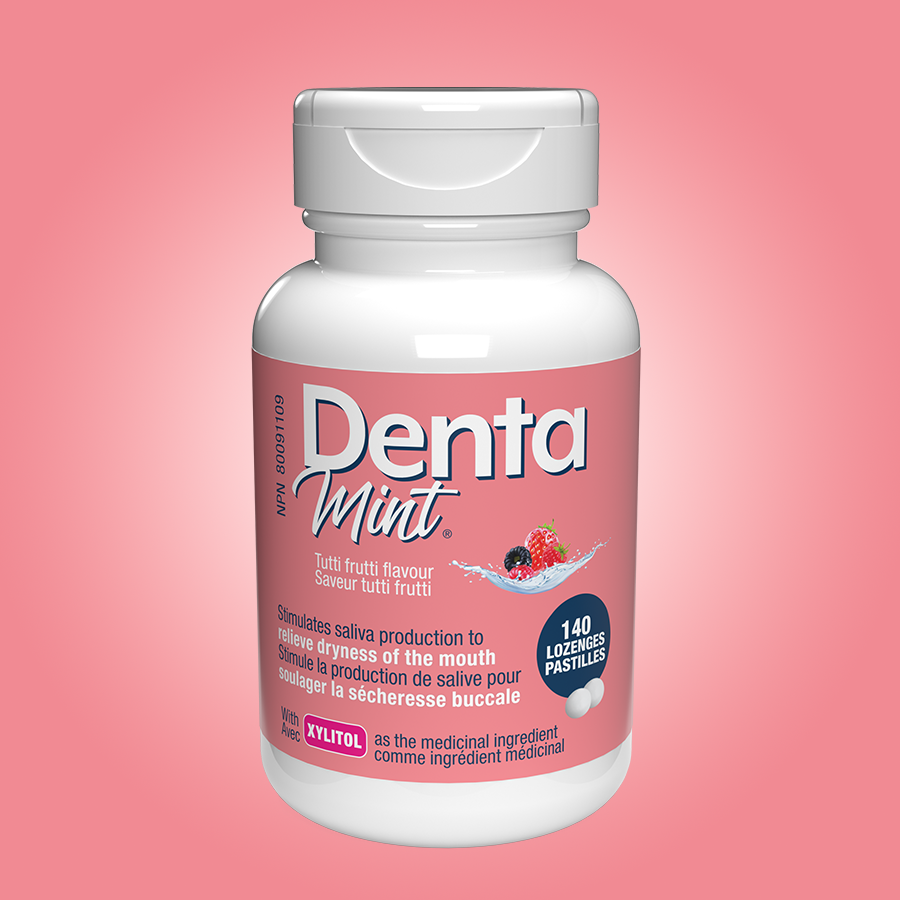
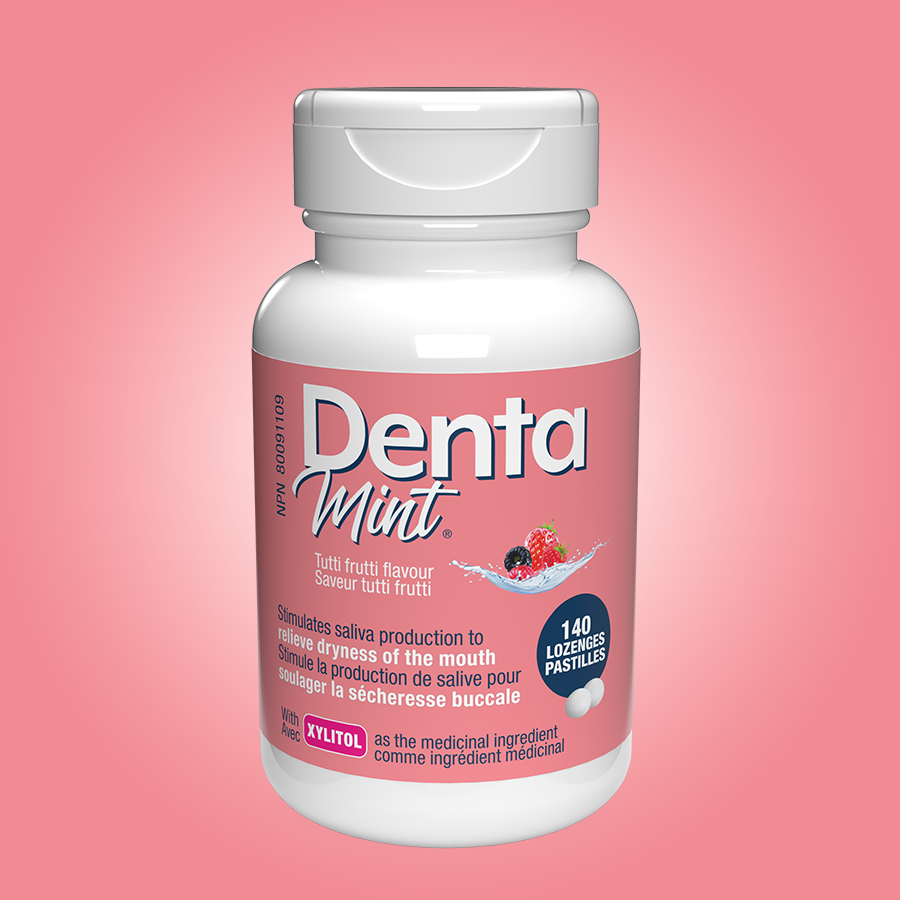
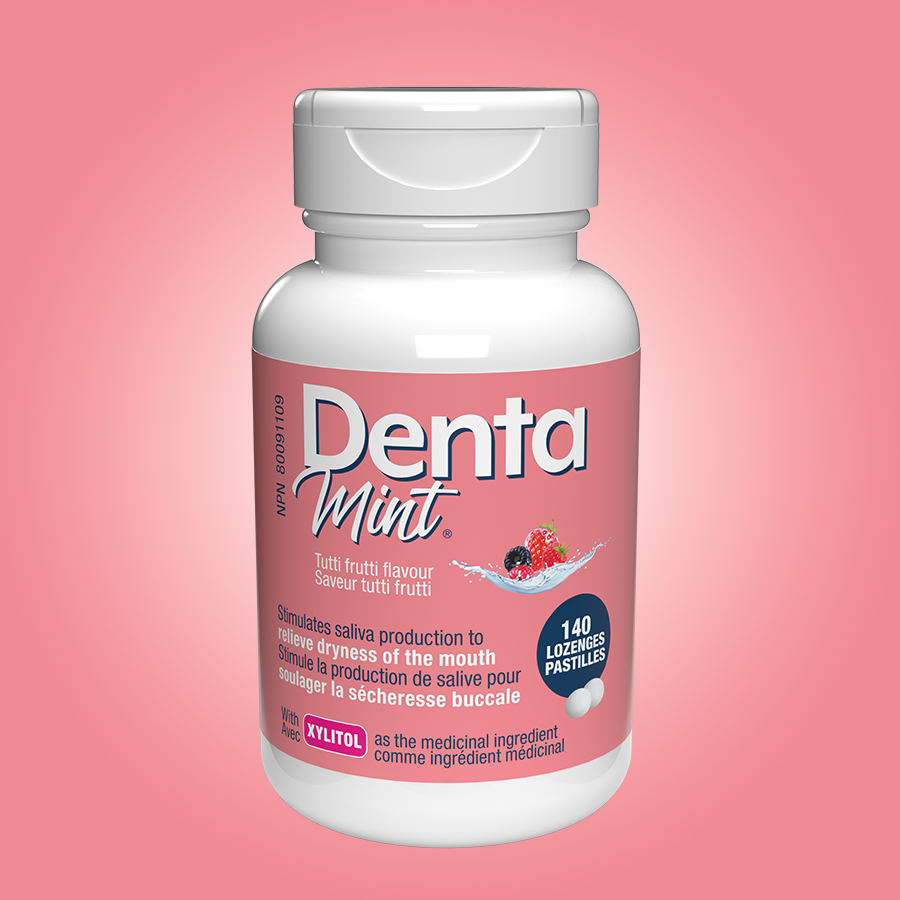
Gum arabic, tutti frutti flavor, DL-malic acid, magnesium stearate, carnauba wax.
Medicinal ingredients
Xylitol
Available at pharmacies
















Drinking enough water throughout the day can help keep your mouth well hydrated.
Certain products can also make dry mouth worse, including coffee, alcohol, tobacco and cannabis. Limiting their use may therefore help.
Over-the-counter saliva stimulants can also help promote your body’s natural saliva production.
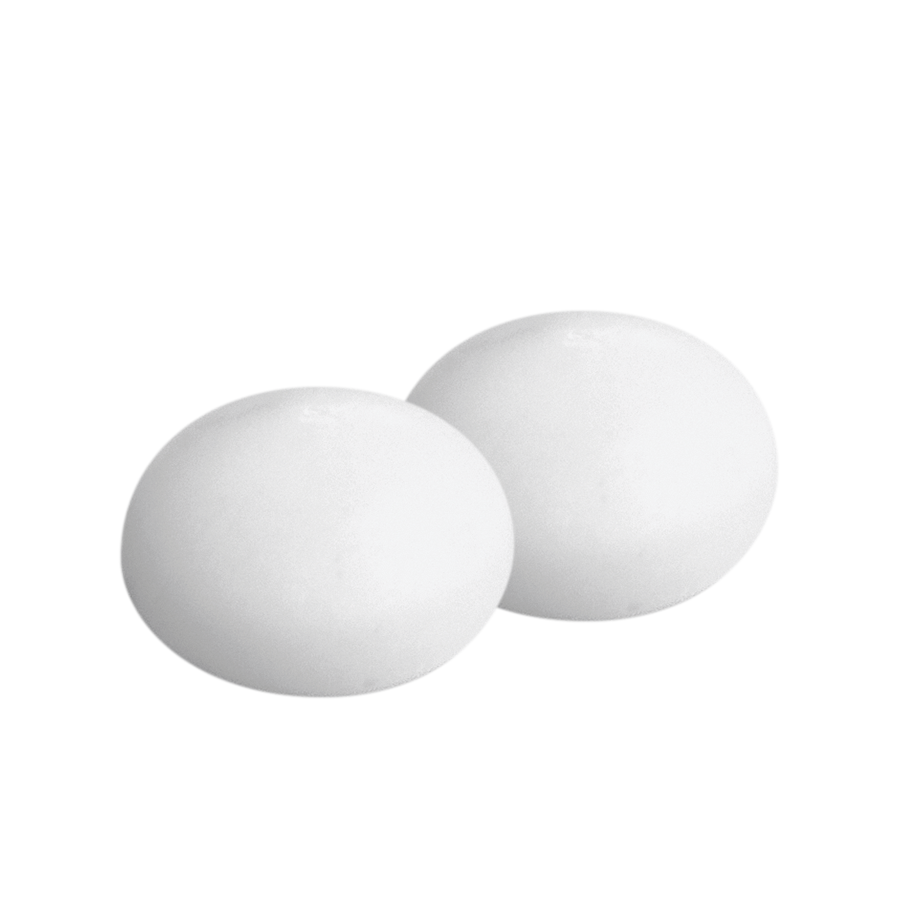
The Denta line offers several options to help relieve the everyday discomfort associated with dry mouth, including Denta Gum, Denta Mint and Denta Moist Spray. As with any health product, always read and follow the directions on the label.
Normally, your salivary glands produce between 500 mL and 1 litre of saliva per day. When saliva production decreases, it is known as salivary hypofunction, which can lead to a feeling of dry mouth.
The term xerostomia refers to the sensation of dry mouth experienced by a person, whether or not a decrease in saliva production has been measured.
In both cases, dry mouth can cause a number of uncomfortable symptoms, including a sticky or pasty feeling in the mouth, chapped lips, difficulty eating or swallowing, bad breath, or the need to drink water during the night.
Medications are one of the most common causes of dry mouth. More than 500 over-the-counter and prescription medications can reduce saliva production and cause a dry mouth sensation. This includes certain medications used to treat high blood pressure, allergies or nasal congestion, as well as some diuretics.
Certain health conditions can also affect the salivary glands, including diabetes, Parkinson’s disease, Sjögren’s syndrome and HIV/AIDS.
Treatments such as radiation therapy can also reduce saliva production, as the salivary glands are particularly sensitive to radiation.
It is important to identify the cause of dry mouth with a healthcare professional so you can be directed toward the appropriate care.
Saliva plays an essential role in maintaining a healthy mouth. It helps keep the tissues in your mouth moist, makes chewing and swallowing easier, and contributes to the mouth’s natural cleansing process.
Saliva also contains minerals, including calcium and phosphate, that help remineralize teeth and maintain a healthy pH balance in the mouth.
When saliva production decreases, the risk of cavities, irritation and an imbalance of bacteria in the mouth may increase.
Maintaining adequate saliva production therefore helps support healthy teeth and a healthy mouth.
Yes. About 1 in 5 people report experiencing dry mouth. Because there are many possible causes, including medications, certain health conditions, medical treatments and age-related changes, dry mouth can affect a wide range of people.
Dry mouth is especially common among older adults and may also be influenced by certain hormonal changes.
If dry mouth persists or bothers you, a healthcare professional can help determine the cause and recommend an appropriate solution.